
CSLB B · General building
One contract. One party accountable.
The general building classification lets us hold the prime contract and carry the whole scope, including trades outside our own four. You sign one agreement and hold one company responsible for the result.
classification
under the same license
contractor since
accountable
What the B classification is for
California defines it in Business and Professions Code Section 7057, and the definition is more pointed than most people realize. A general building contractor's principal business is structures requiring, in their construction, the use of at least two unrelated building trades or crafts.
That phrase is the whole idea. The classification exists precisely for work complex enough that somebody has to hold the trades together, and the license says so.
Section 7057 also sets limits worth knowing as an owner. A general building contractor may take a prime contract or a subcontract for framing or carpentry, but shall not take a prime contract for a project involving trades other than framing or carpentry unless the project requires two or more unrelated trades beyond those, or the contractor holds the appropriate classification, or hires a properly licensed subcontractor. And framing and carpentry cannot be counted toward the two-trade threshold.
The practical consequence: a B license alone does not entitle anyone to self-perform the specialty trades. It entitles them to hold the contract. Whether the trades are self-performed depends on what else is on the license.
Which is why the other three classifications matter
Our license carries B alongside C-2 insulation, C-6 millwork and casework and C-36 plumbing. That combination is the point of the company.
It means that when we hold the prime contract, the mechanical insulation, the piping and the millwork are not subcontracted to three other firms with three schedules and three sets of priorities. They are ours, performed by our people, on a sequence we control. The trades that typically generate the most coordination friction on a mechanical scope are the ones that no longer require coordination between companies.
Where a scope falls outside those four, we subcontract it like anyone else, and we say so rather than implying otherwise.
Scope gaps, which is what you are actually buying protection from
Every contractor claims self-performance is a virtue. Very few explain what it saves you from, so here are three real examples from the work we do.
The insulated pipe through a rated wall. The firestop system has to be one tested with that insulation in place. The insulation contractor insulates to the wall. The firestop contractor arrives, finds no tested system matching what is there, and writes an RFI. The wall stays open for two weeks over a detail that costs nothing if one company owns both sides of it.
The grease duct handoff. Sheet metal builds the duct. Somebody else wraps it. The clearance that the wrap listing assumes was not maintained when the duct was hung, and nobody noticed until the wrap would not fit. Both parties are correct about their own scope.
The last connection on a cooling loop. On data center work, the gap between the mechanical contractor's facility piping and the equipment vendor's packaged unit is a recognized problem across the industry: the hoses, quick disconnects, strainers and balancing valves in between belong clearly to nobody. Commissioning stops while it gets resolved.
None of these is a competence failure. They are boundary failures, and boundaries are created by contracts. Fewer companies means fewer boundaries.
The honest version of the pitch. Hiring one contractor is not automatically cheaper on the bid. Specialty subs can be very competitive on their own narrow scope, and sometimes a multi-prime approach genuinely wins on price. What single-source buys is a shorter list of people who can say the delay was someone else's fault, and on an occupied or shutdown-constrained job that is usually worth more than the bid difference.
Code, drawings and permits are ours
On projects where we hold the prime, we carry code analysis and produce stamped construction drawings, which means the permit path stays our problem rather than becoming a thing you chase.
We carry every permit through to final inspection and hand over the documentation your facility records need at closeout. For industrial clients that frequently means more than the municipal paperwork: as-builts, material certifications, test records and the enclosure or firestop documentation that someone will need the next time that building is touched.
How a job starts
The same way every time, whether we are holding the prime or subcontracting to somebody else's.
A walk. Existing conditions, access, and what your operation genuinely allows, looked at before anything is priced. Drawings describe the building as designed. A walk tells you about the building as it is.
Code review and drawings. What the work actually triggers, which on renovation and tenant work is frequently more than the scope suggests.
A written scope tied to a sequence, phased around shutdown windows or occupied areas where those apply. A lump sum with no sequence behind it is a number, not a plan.
Execution, with our own crews on insulation, piping, millwork and building scope, and outside trades only where work falls outside our classifications.
Inspection and closeout, carried to final with the records handed over.
Scope
- Prime contracting
- Code analysis
- Stamped drawings
- Permits to final
- Tenant improvements
- Interior fit and finish
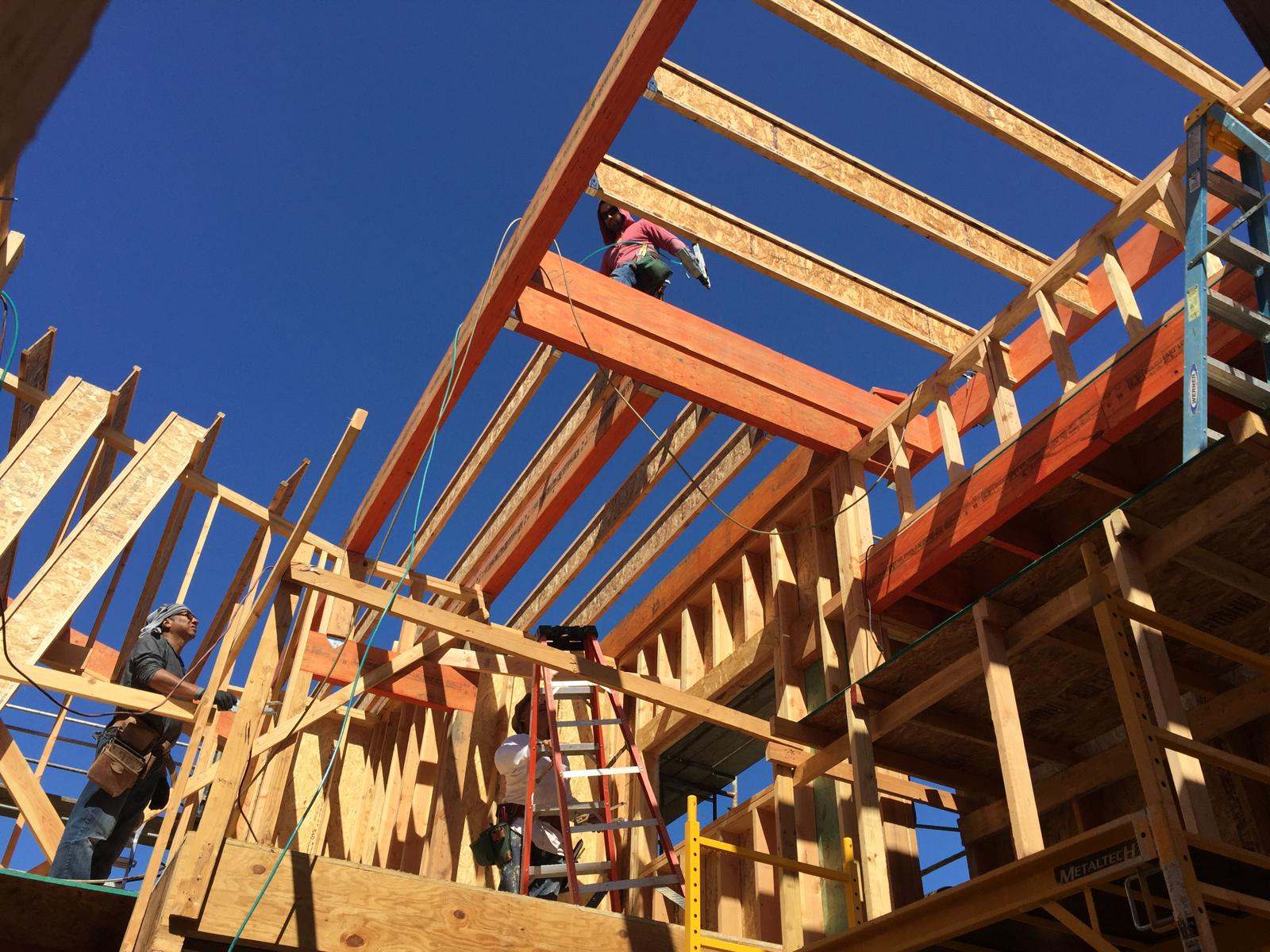
- Framing
- Foundations and concrete
- Selective demolition
- Envelope
- Phasing in occupied buildings
- Closeout documentation
One contract or several
What changes when the trades sit together.
| Situation | Separate specialty contractors | Self-performed under one prime |
|---|---|---|
| Insulated pipe through a rated wall | RFI between two trades, wall stays open | Settled internally before the pipe is insulated |
| Piping test to insulation start | Second mobilization, scheduled separately | Insulation follows the test the same week |
| A shutdown window overruns | Four accounts of what went wrong | One company that has to answer for it |
| Casework with services running into it | Millwork and plumbing coordinate by drawing | Same license, same crew, measured together |
| Insurance and prequalification | Certificates and platforms for each firm | One set of documents |
| Bid price on a narrow scope | Often genuinely competitive | Not always cheaper on the line item |
Questions we get asked
Contracting, answered.
What does self-performing actually mean?
That the work is done by the contractor's own employees under their own license, rather than passed to a subcontractor. It matters because it changes who controls the schedule and who answers when something slips.
Ask any contractor which specific scopes they self-perform and which they sub. The answer is checkable against their license classifications in a minute, and a vague answer is itself informative.
Is one contractor cheaper than several?
Not reliably on the bid, and anyone who promises that is overselling. Specialty subcontractors can be very sharp on their own narrow scope.
Where single-source wins is in the things that do not appear on a bid form: coordination time, scope gaps, second mobilizations, and the cost of a shutdown window that overruns because two companies were each waiting on the other.
Can you work as a subcontractor rather than a prime?
Yes, and we do regularly. A great deal of our insulation and piping work is under somebody else's prime contract, and the B classification does not change how we behave on those jobs.
If you are a general contractor looking for a self-performing mechanical insulation and piping subcontractor, that is a normal arrangement for us.
Who handles the permits?
We do, where we hold the prime. Code analysis, stamped construction drawings, and the permit carried through to final inspection.
On renovation and tenant work, the code review often finds that the scope triggers more than the drawings showed. Better to know that at the start than at plan check.
How do you work in a building that stays occupied?
By treating the phasing plan as part of the deliverable rather than a courtesy. Which areas come out of service and when, how our boundary is maintained, what happens with dust and noise, and how people get past us safely.
On occupied work the phasing plan is often worth more to the client than the price, because it is the part that determines whether the building can keep doing what it is for.
What do we get at closeout?
Permits signed off, as-builts, and the documentation the work generated: test records, material certifications where the specification required them, and the listed system information for anything rated.
That last one matters more than it sounds. The next contractor who opens that ceiling needs to know which firestop system is in there, and reconstructing it later is expensive guesswork.
From our jobs
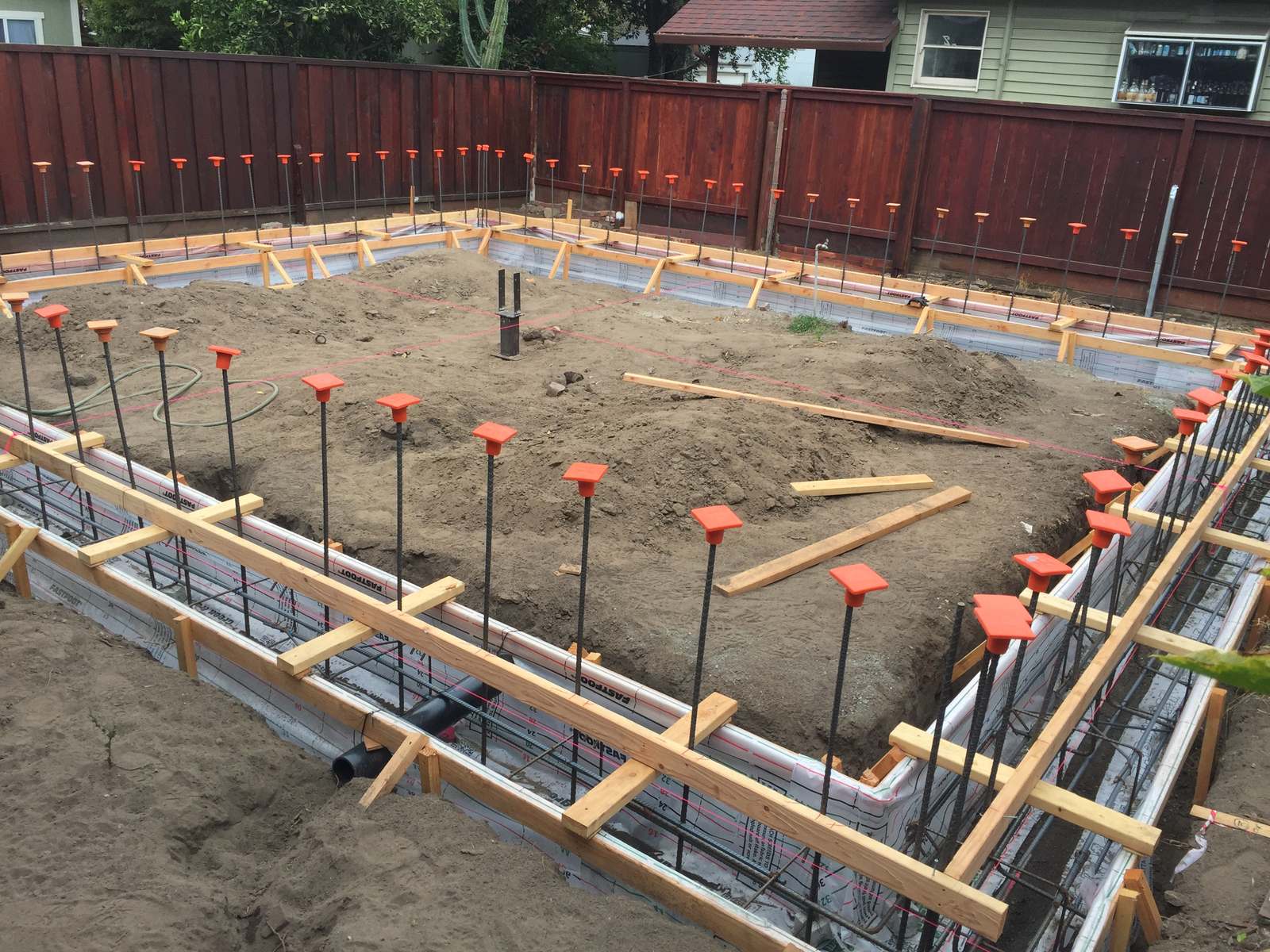
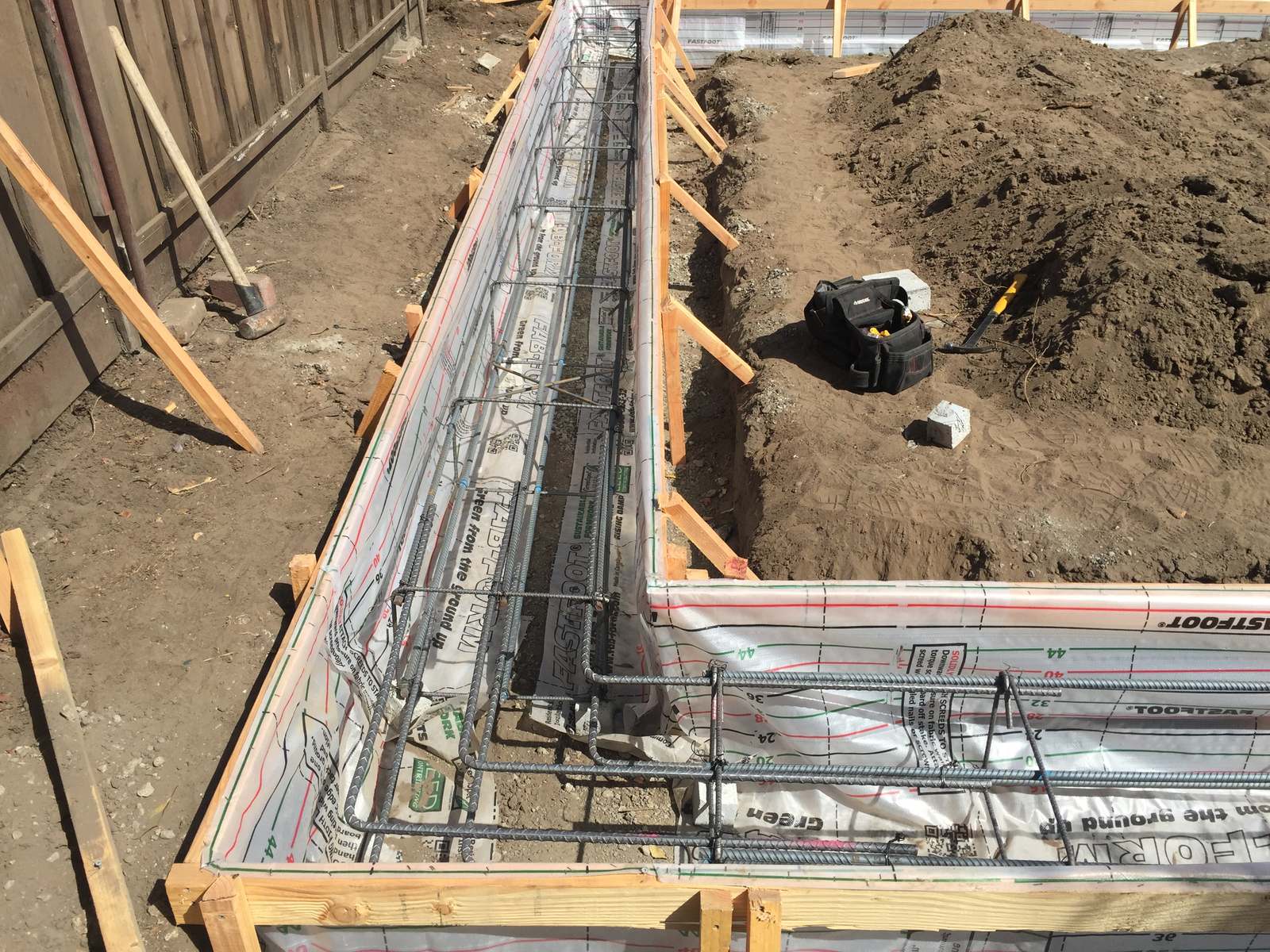
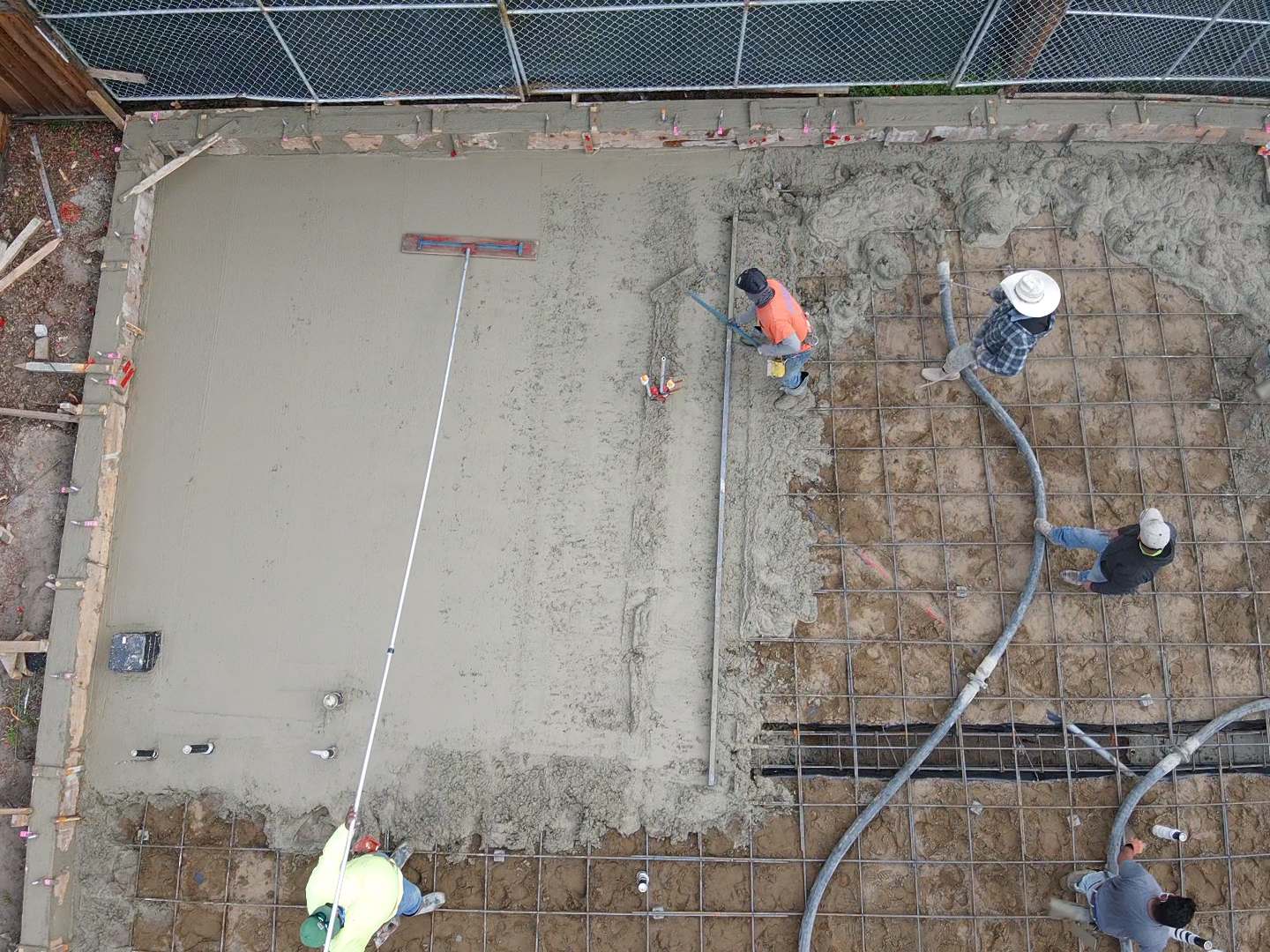
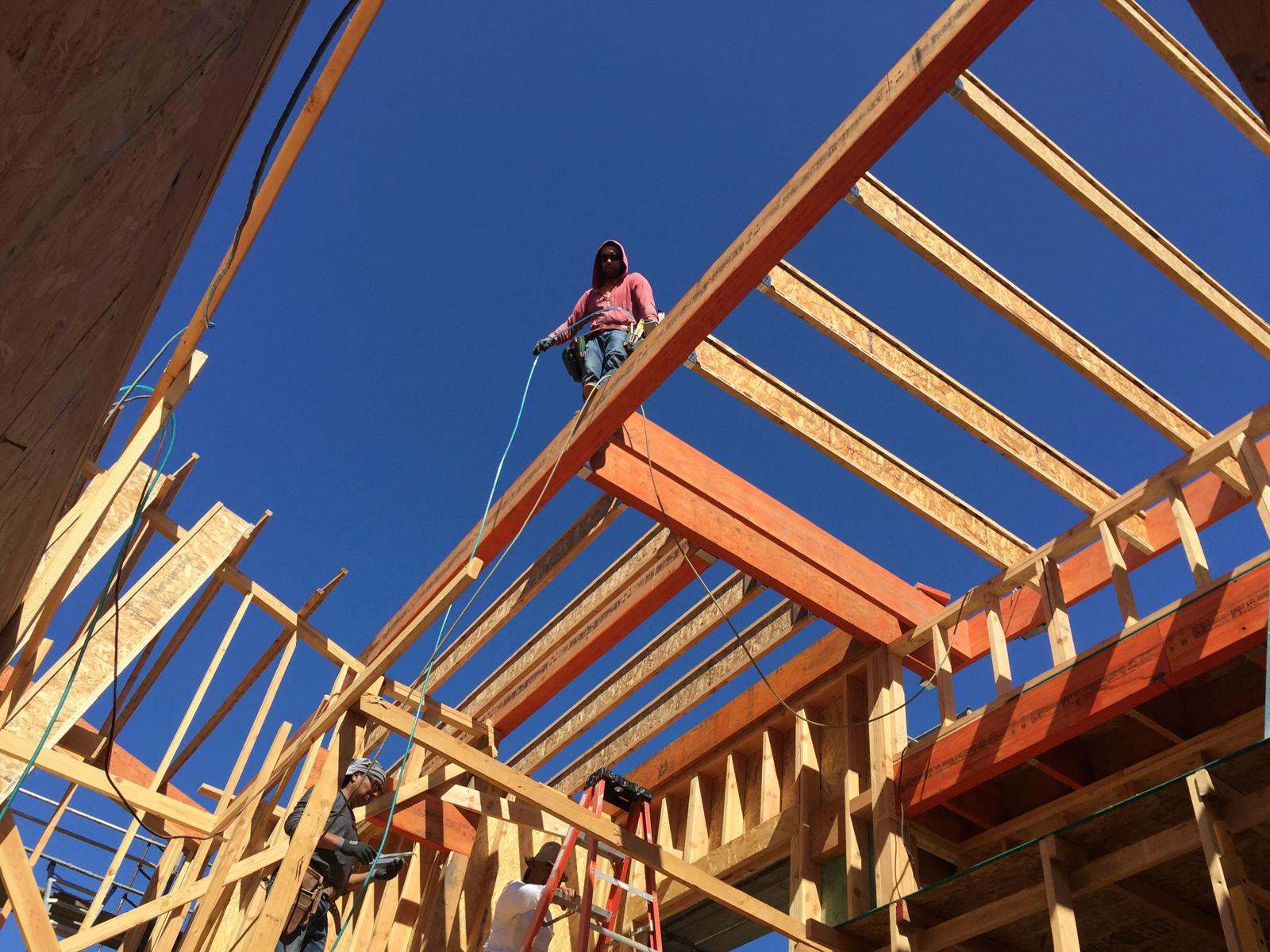
Building scope we have carried.


Related
Other scopes we self-perform.
Next step
Tell us what the scope looks like.
Whether you need a prime contractor or a self-performing subcontractor on somebody else's prime, the first step is the same: a walk, then a written scope tied to a sequence.