
Mechanical insulation
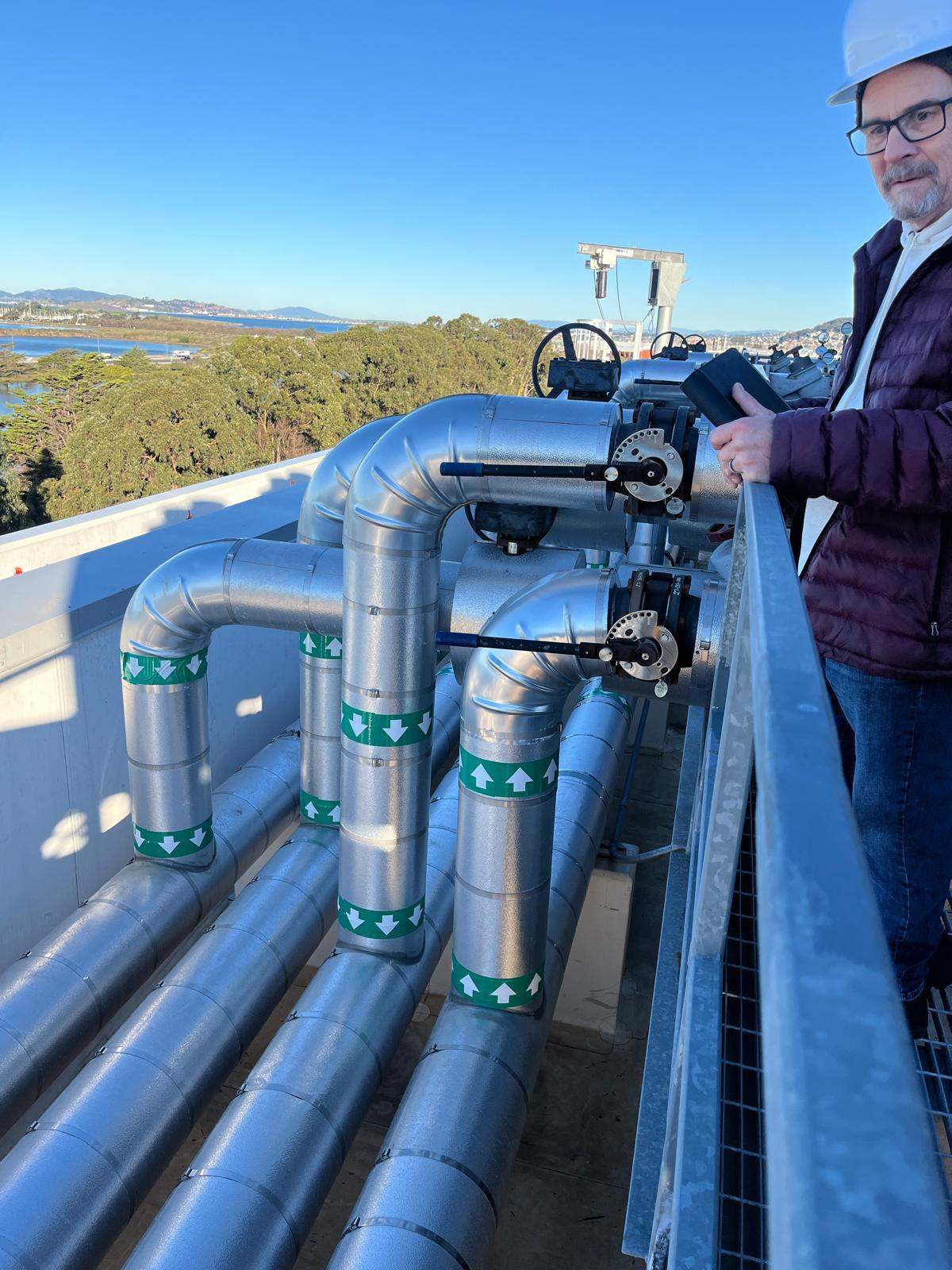
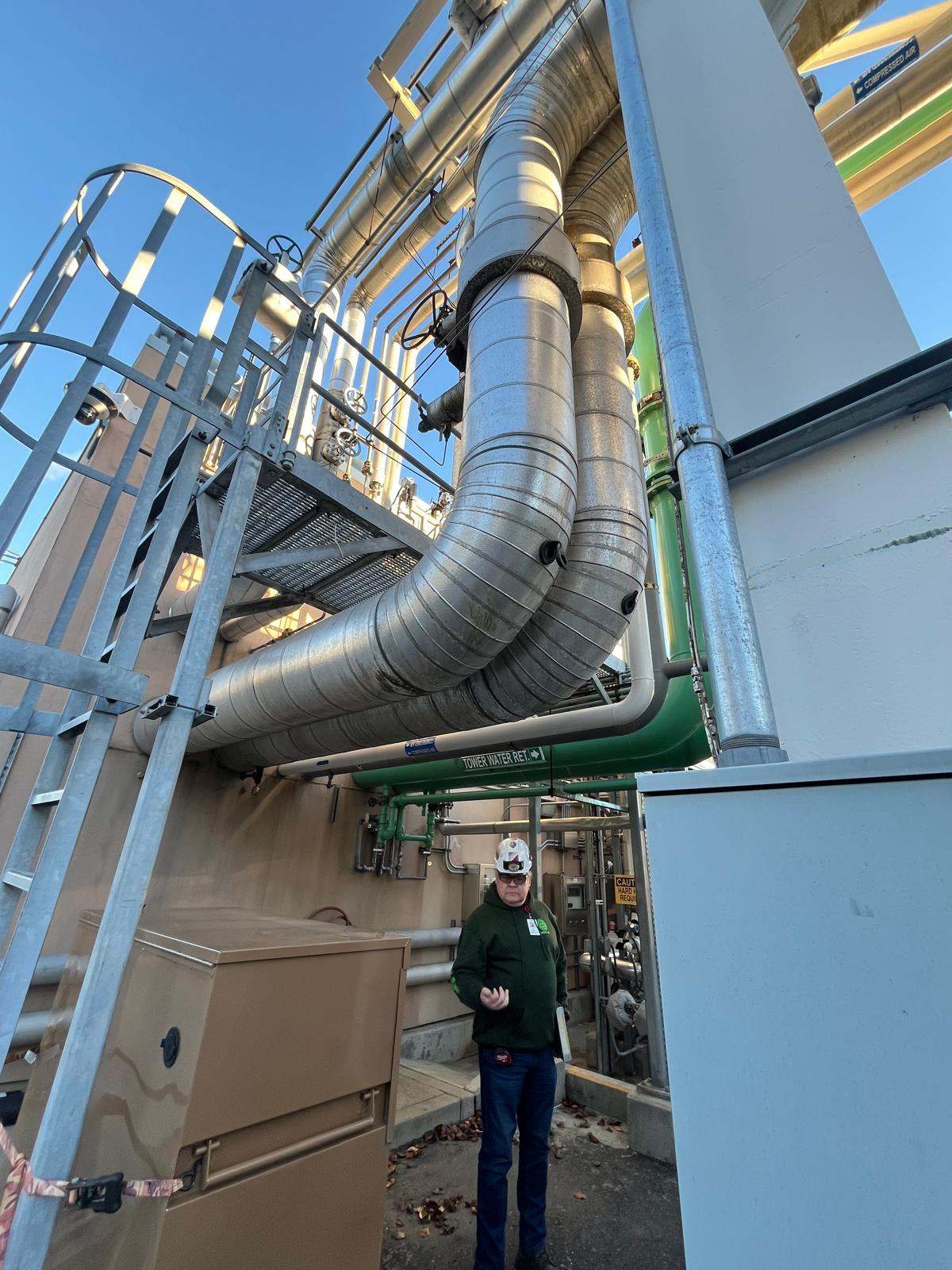
Jacketing is what makes insulation last outdoors.
Insulation does the thermal work. Jacketing keeps weather, UV, foot traffic and wash-down out of it. On outdoor runs the jacket is the part that decides whether the system lasts two years or twenty.
Jacketing and lagging are not the same word
The two terms get used interchangeably and they are not quite the same thing. Jacketing is the protective outer covering over insulation, most often on piping. Lagging is the same idea applied to vessels, tanks and equipment, where the covering has to be formed into curved panels and head segments rather than wrapped around a cylinder.
It matters because the fabrication is different. There is an ASTM practice named for exactly this work, ASTM C450, covering prefabrication and field fabrication of fitting covers for pipe, vessel lagging and dished head segments. A dished head is a compound curve, and covering one properly means cutting and forming segments that close without gaps and still shed water. That is sheet metal work, not insulation work, and it is why a lot of otherwise good insulation jobs look poor at the vessels.
Aluminum or stainless
There are two separate specifications, which tells you the market treats them as genuinely different products. ASTM C1729 covers aluminum jacketing and ASTM C1767 covers stainless steel jacketing.
Aluminum is the default. It is lighter, cheaper, easier to form in the field, and it reflects heat well. Stainless earns its cost in three situations: regular wash-down with cleaning chemistry, pharmaceutical and food environments where the surface has to be cleanable and will be inspected, and coastal or chemically aggressive air where aluminum pits.
One detail inside C1729 does more work than the metal choice. The specification covers the moisture barrier bonded to the inner face of the jacket. Bare aluminum in direct contact with wet insulation, or with a dissimilar metal, sets up galvanic corrosion of the jacket itself. The barrier is what separates them, and jacketing bought without one is a problem waiting several years to appear.
Where stainless becomes a chemistry question, not a metal question. Where insulation touches austenitic stainless steel, the insulation has to qualify under ASTM C795, which depends on the stress corrosion screening in C692 and the leachable chloride, fluoride, silicate and sodium limits in C871. Chlorides leaching out of an otherwise ordinary insulation onto hot stainless is a recognized cracking mechanism. On a stainless process line, the insulation spec is as much about what the material gives off as about how well it insulates.
Details that decide whether water gets in
Jacketing fails at the joints, never in the middle of a sheet. Four details carry almost all of the risk.
Lap direction. Longitudinal and circumferential laps have to face so that water runs over the joint rather than into it. On a vertical run that means shingling downward. It is the most basic rule in the trade and the most common thing we find reversed on work somebody else did cheaply.
Banding and fastening. Bands hold the jacket to the insulation without crushing it. Screws through a jacket make a hole in the weather barrier, so where they are used the detail has to account for that rather than ignore it.
Fittings. Elbows, tees, reducers and valves are where field fabrication either happens or does not. A straight run jacketed beautifully and an elbow left wrapped in tape is a system that will be wet within a season.
Terminations. Every place the jacket stops is an opening unless it is deliberately closed back to the pipe or the equipment.
What Title 24 says about the outside
California is unusually direct about this. Title 24, Part 6, Section 120.3(b) requires insulation to be protected from sunlight, moisture, equipment maintenance and wind. Anything exposed to weather needs a covering suitable for outdoor service that is water retardant and shields against solar radiation.
It then says, in the code text itself, that adhesive tape shall not be used to provide this protection. That single line settles a lot of arguments on roofs. Taped seams are a repair, not a weather barrier, and an inspector reading the section has the language to say so.
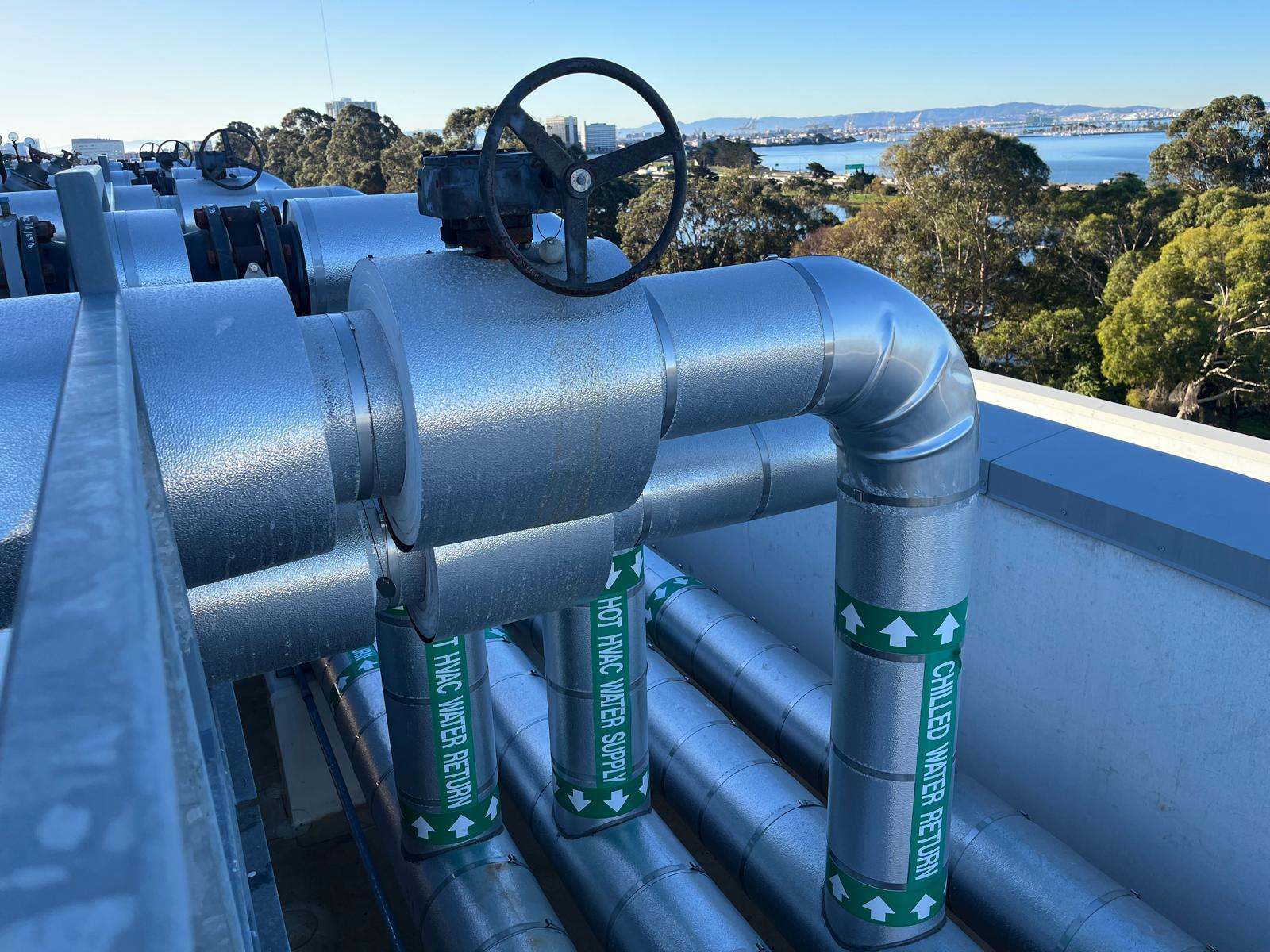
What we fabricate
- Pipe jacketing
- Fitting covers
- Elbow covers
- Vessel lagging
- Dished head segments
- Tank jacketing
- Equipment covers
- Duct jacketing
- Bands and closures
- Aluminum
- Stainless
- Re-jacketing
Choosing a jacket
Aluminum against stainless, by environment.
| Environment | Usual choice | Reasoning |
|---|---|---|
| Indoor mechanical room | Aluminum | No weather exposure. Cost and formability win. |
| Rooftop and yard piping | Aluminum with moisture barrier | Handles UV and rain well when the laps and terminations are right. |
| Regular wash-down | Stainless | Cleaning chemistry attacks aluminum. Stainless takes it. |
| Pharmaceutical and food | Stainless | Cleanable, inspectable, and expected by the people auditing you. |
| Coastal or chemical plant air | Stainless | Chloride-laden air pits aluminum quickly. |
| Over austenitic stainless pipe | Either, but insulation must meet C795 | The cracking risk comes from the insulation chemistry, not the jacket. |
| Fire-exposed areas | Stainless | Aluminum has a far lower melting point. |
Questions we get asked
Jacketing, in plain terms.
Does jacketing cause corrosion under insulation?
Bad jacketing does. Good jacketing is the main defense against it. The failure mode is jacketing that lets water in and then holds it there, which is worse than no jacket at all because the water cannot evaporate out.
That is why lap direction, sealed terminations and an intact moisture barrier on the inner face matter more than the gauge of the metal. A heavier jacket installed with the laps facing uphill will still soak the system.
Can jacketing be reused after a shutdown?
Sometimes, on straight runs, if it came off cleanly and the moisture barrier is intact. Fittings almost never survive removal in reusable condition because they are formed to shape.
Where a system gets opened repeatedly at the same points, the honest answer is usually not to keep re-jacketing but to put removable covers on those fittings instead and jacket only what stays put.
What gauge jacketing should I specify?
It depends on diameter and on what the jacket has to survive. Larger diameters need more stiffness to stay round and resist denting, and anywhere people walk or lean needs more than a line nobody can reach.
Rather than pick a number from a catalog, tell us the pipe size, the location and whether it is in a traffic path. ASTM C921 is the practice that establishes jacketing material properties, and the specification on your project will usually point at it.
Why does my rooftop insulation keep failing when the jacket looks fine?
Because the jacket usually does look fine from six feet away. Open laps, failed sealant at the terminations and penetrations made for supports or instruments are all small, and all of them admit water that then tracks along the pipe well away from the entry point.
Walking the roof and pressing the insulation tells you more than looking at it. Soft is wet, and wet means the jacket is open somewhere uphill.
Who should do the jacketing, the insulator or a sheet metal contractor?
It belongs with the insulation. The jacket is part of the insulation system and it is covered under the insulation classification, which in California is C-2.
Splitting them is where jobs go wrong, because the fabricated fitting covers and the terminations are exactly the handoff point. One company doing both means there is nobody to blame and nobody to wait for.
From our jobs
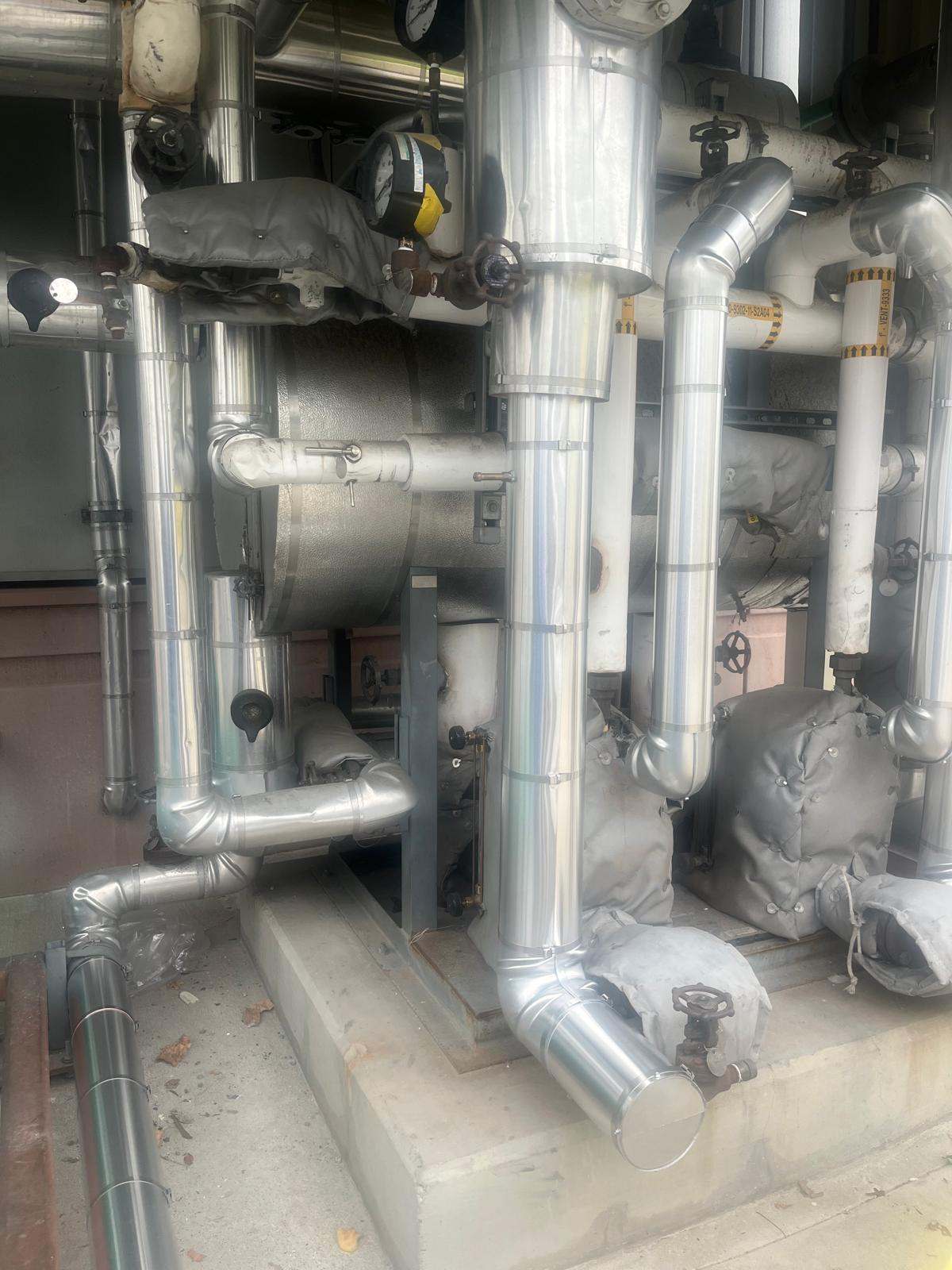
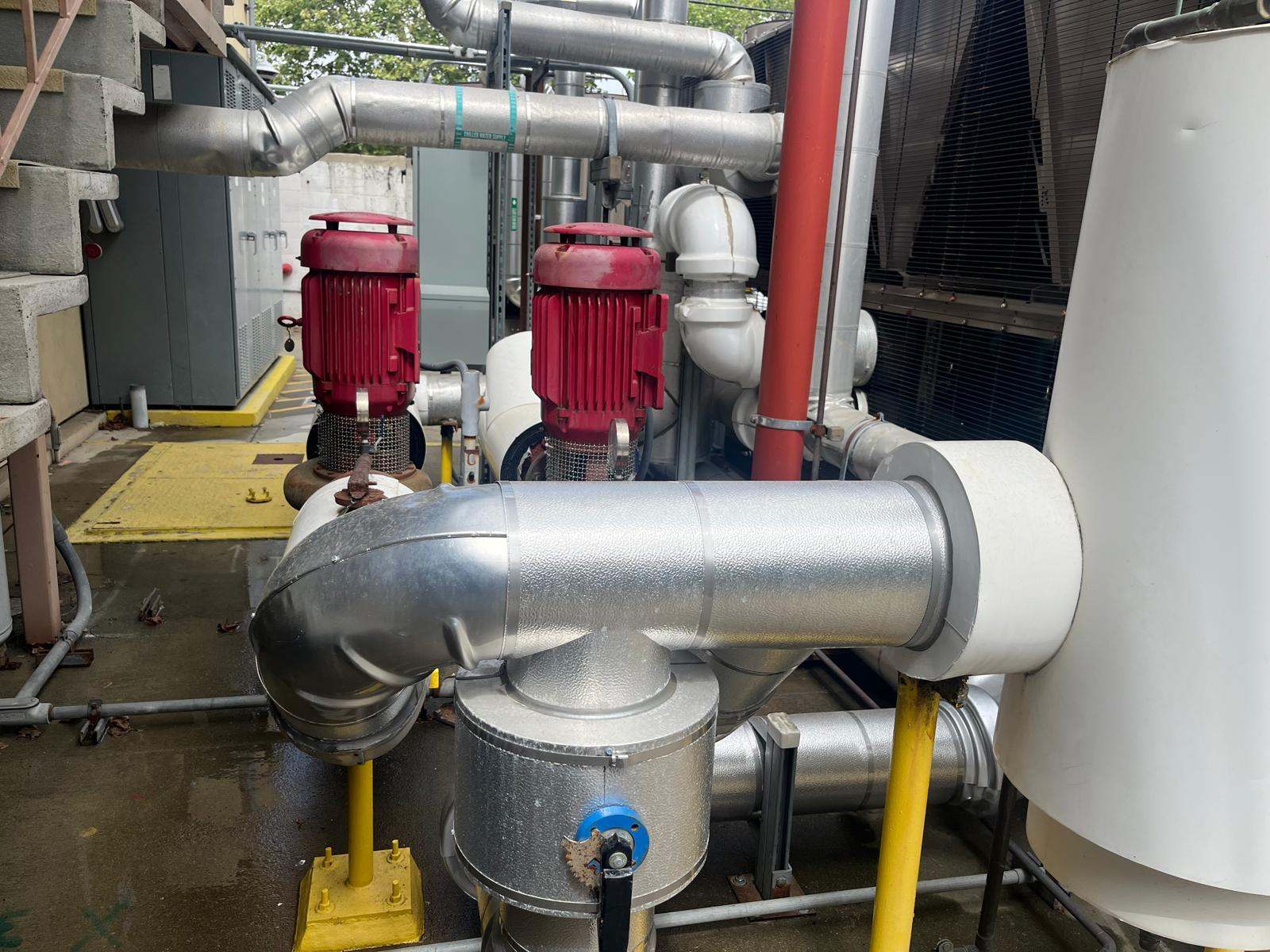
Jacketed work in service.

Related
Other scopes we self-perform.
Next step
Rooftop runs are where this shows up first.
If jacketing has opened at the laps or the bands have let go, water is already in the insulation. We will walk the roof with you and mark what has to be replaced against what can be resealed.